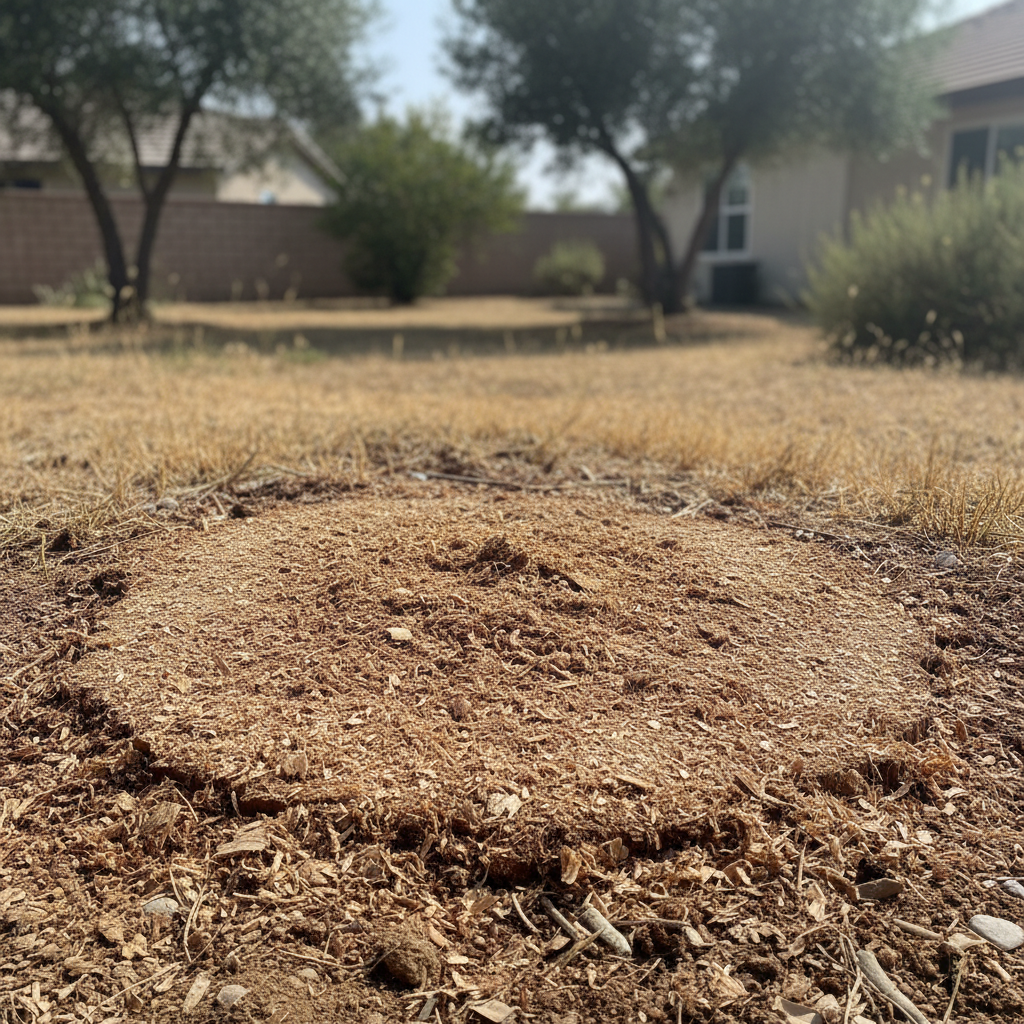
Staring at that old wooden stump in your yard can be a nuisance. Whether you just cut down a diseased pepper tree or bought a house in South Corona with a leftover relic, that stump is not going anywhere on its own. Dealing with local soil conditions around here means old wood can stick around for years while attracting unwanted pests. Here is a straightforward breakdown of how Stump Grinding works, what you can tackle yourself, and when it is time to bring in a professional crew like All Things Tree.
Before the Grinder Arrives
Preparation makes a big difference in how smoothly the job goes. You cannot just roll a heavy machine over a yard littered with garden hoses, children's toys, or decorative boulders. Take a little time to clear a wide path to the stump. If it is sitting near a fence line or a tight side yard common in many Corona neighborhoods, measure the gate opening first. Standard grinders need adequate clearance to get through.
You also need to think about underground utilities. Call 811 before you start digging or grinding deep into the ground. Even though Stump Grinding typically only goes six to twelve inches below the surface, hitting an unmarked irrigation line or a shallow electrical line is a headache nobody wants.
DIY vs. Calling a Pro
Can you rent a machine and do this yourself over the weekend? Technically, yes. Rental yards offer walk-behind stump grinders, and if you are dealing with a small, soft-wood stump in an open area, you might pull it off. But the reality of rental equipment involves several challenges.
- Rental units are often underpowered, dull, and heavy to maneuver across uneven terrain.
- If you hit rock-hard Corona clay or stubborn root balls, a small rental grinder will bounce right off and wear you out.
- Commercial-grade machines used by All Things Tree chew through tough hardwoods and large root flares in a fraction of the time, saving your lower back from serious strain.
If the stump is massive, located on a steep slope, or sitting right next to your foundation or driveway, skip the rental counter entirely. One wrong move with a heavy cutter wheel can send rocks flying through windows or damage property.
During the Process
When Stump Grinding starts, expect a lot of noise and flying debris. A good operator will use shields and tarps to keep wood chips from pelting your house or a neighbor's car, but it is still a messy business. The machine will systematically sweep back and forth, turning the wood into a massive pile of chips and shredded mulch.
After the Grinder Leaves
Once the machine shuts off, you are left with a hole and a giant mound of wood chips. Most people do not realize that wood chips take up a lot more space once they are ground up than the solid stump ever did. You can haul them away or use them in distant garden beds, but do not mix that fresh wood mulch directly back into the planting hole if you want to grow new grass or flowers immediately. Fresh decomposing wood ties up nitrogen in the soil.
Fill the remaining hole with a good mix of topsoil and compost, tamp it down in layers to prevent a sinking depression later, and you are ready to replant. Getting rid of that dead wood clears up your yard, removes a prime breeding ground for termites, and lets you reclaim your outdoor space.